
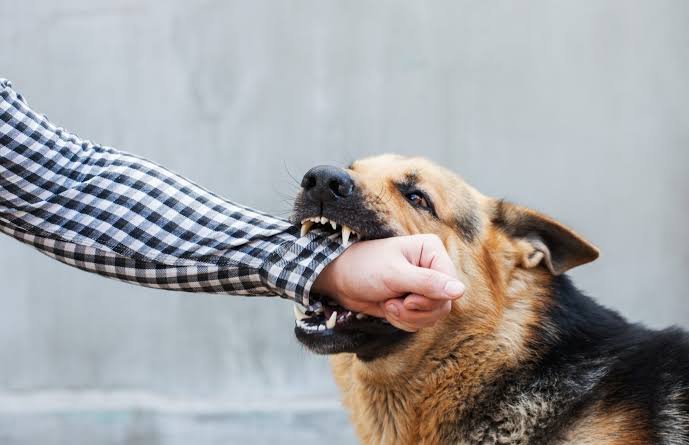
A dog bite can result in much more than just an acute injury. Depending on the severity of the attack, a person may face emergency treatment, ongoing medical care, visible scarring, time away from work, and significant emotional distress. Some victims also become uncomfortable around dogs or avoid places and activities they previously enjoyed.
When these consequences result from a dog attack, compensation may be available to address different types of losses. Speaking with a dog bite accident lawyer can help an injured person understand which damages may apply to the circumstances of a particular claim and what evidence could be important when documenting those losses.
Medical Expenses Following A Dog Bite
Medical costs are often one of the most immediate financial concerns after an attack. Even a wound that initially appears manageable can require professional treatment because animal bites can damage tissue and create a risk of infection.
Compensation in a dog bite claim may include expenses associated with emergency room visits, physician appointments, medication, wound care, diagnostic testing, and other necessary treatment. More serious injuries may require surgery, specialist care, or reconstructive procedures.
Future medical needs can also matter. A person with nerve damage, significant scarring, or reduced mobility may need additional treatment long after the initial wound has healed. The financial cost of the accident can be determined by preserving medical documents, bills, medications, and therapy recommendations.
Compensation For Pain And Physical Limitations
The effects of an injury cannot always be measured through medical bills alone. Dog bites can be extremely painful, particularly when they involve deep puncture wounds, torn tissue, fractures, or injuries to nerves and tendons.
Physical limitations may also interfere with normal activities. For example, a serious injury to the hand could make it difficult to type, drive, prepare meals, or perform work-related duties. An injury to the leg may temporarily affect walking and other everyday movements.
Pain and suffering damages are intended to recognize these personal consequences. The seriousness of the injury, duration of recovery, medical treatment required, and impact on everyday activities may all influence how such damages are evaluated.
Lost Income And Reduced Ability To Work
Recovery from a dog bite can require time away from employment. Hospital visits, medical appointments, surgery, or limited mobility may prevent someone from returning to work immediately.
Lost wages may therefore form part of a compensation claim when they can be properly documented. Pay records, employment information, medical restrictions, and evidence of missed working hours can help demonstrate this loss.
In particularly severe cases, injuries may affect a person’s ability to perform the same job in the future. Permanent nerve damage or reduced movement, for instance, could create challenges for someone whose occupation depends heavily on physical tasks. These longer-term effects may also need to be considered when assessing financial harm.
Emotional Distress After An Attack
A dog attack can be frightening, and emotional recovery does not necessarily occur at the same pace as physical healing. Some victims experience anxiety, recurring memories of the incident, sleep difficulties, or increased fear around animals.
Children can be particularly affected because an unexpected attack may change how comfortable they feel around pets, parks, or outdoor environments. Adults can experience similar reactions, especially following a violent or unpredictable incident.
When emotional distress significantly affects daily life, it may be considered alongside physical injuries in a claim. Records from counselors or other qualified professionals can provide useful documentation when treatment is needed.
Scarring And Changes In Appearance
Dog bites commonly affect exposed areas such as the hands, arms, legs, and face. Deep wounds may leave permanent scars even after appropriate treatment.
Visible scarring can have both physical and emotional consequences. Facial injuries in particular may affect confidence and social interactions. Some victims undergo reconstructive or cosmetic procedures to reduce the appearance of scars, while others may live with permanent changes.
Photographs taken throughout recovery can help document how an injury develops over time. Medical evaluations may also provide information about whether additional procedures are recommended.
Factors That Can Affect Compensation
No two dog bite cases are identical. The potential value of a claim depends on the facts surrounding the attack and the losses suffered by the injured person. relevant considerations can include the severity of the wounds, cost of treatment, recovery period, lost earnings, permanent impairment, scarring, and emotional impact.
Legal responsibility must also be established under the laws that apply where the attack occurred. Dog bite laws can differ between jurisdictions, making the specific circumstances of the incident important.
Looking At The Full Impact Of A Dog Bite
Compensation after a dog bite is not limited to paying an emergency medical bill. A serious attack can affect someone’s finances, physical comfort, appearance, employment, emotional well-being, and normal routine.
Documenting these consequences carefully can provide a clearer picture of the harm caused by the incident. Medical records, photographs, employment documents, treatment expenses, and other relevant evidence can all help demonstrate the extent of the losses. Considering both physical and emotional harm allows a dog bite claim to reflect the broader effect the attack has had on the injured person’s life.