

Modern dwellings find it difficult to match the charm of traditional family residences. They appeal to homeowners who value character and history because of their large rooms, unique architectural features, and well-established surroundings. Older houses may not always be able to accommodate contemporary families’ practical demands, however. Everyday living may be made less convenient by outdated layouts, inadequate storage, ageing fixtures, and poor use of space. Expert builders can assist homeowners in overcoming these obstacles while maintaining the unique original elements of their homes. Recognising An Older Home’s Potential Every traditional house has a unique layout, style, and potential for restoration. Professional builders evaluate the property’s current state to determine what needs to be improved before making any alterations. This includes inspecting the general layout as well as the walls, flooring, plumbing, and electrical systems. These evaluations aid in deciding which aspects should be upgraded and which may be kept. For instance, an older house can have lovely wood floors and ornate ceilings that are worth keeping, but its kitchen or bathroom needs major renovations. Renovation ideas that strike a balance between the home’s original charm and modern comfort and utility may be created by skilled builders. Designing Spaces For Open And Useful Living Separate areas for cooking, eating, and entertaining were common features of traditional family residences. Even though these arrangements provide solitude, families that enjoy linked living spaces may find them constrictive at times. When physically sound, professional builders might look for ways to change interior layouts to create more open areas. It may be easier to walk between rooms and let natural light into previously confined spaces if certain walls are moved or removed. However, careful planning is necessary for structural alterations, particularly when load-bearing walls are involved. Without compromising the property’s architectural uniqueness, a well-thought-out living room may host family get-togethers, kids’ activities, and regular leisure. Modern Comfort In Kitchens And Bathrooms In every family home, the kitchen and bathroom are two of the most utilised spaces. These areas may have inadequate storage, antiquated plumbing, inadequate ventilation, or designs that aren’t suitable for daily family activities in older homes. Expert builders assist homeowners in designing useful improvements that increase convenience and accessibility. Installing more cabinets, rearranging countertops, and enhancing connections with dining spaces are some examples of kitchen upgrades. Modern showers, better waterproofing, useful vanities, and enough ventilation are examples of bathroom upgrades. Replacing outdated fixtures with more modern designs is not the only goal. These crucial areas should be more comfortable for daily use and simpler to maintain after a good remodelling. Converting Conventional Laundry Spaces During home renovations, laundry rooms are often disregarded, especially in older homes where washing amenities may have been located in cramped, disorganised areas. Laundry rooms that provide enough storage, useful work tables, and easy access to appliances are beneficial to modern families. Homeowners may investigate remodelling alternatives that enhance the design and functionality of their laundry areas by working with skilled laundry builders Ryde. Household duties may be made easier with custom cabinetry, integrated appliance areas, sturdy surfaces, and better ventilation. The laundry’s connections to adjacent kitchens, baths, and outdoor spaces might also be taken into account by builders. A well-thought-out laundry makeover may increase family productivity without necessitating needless modifications to the rest of the home. Increasing Indoor Comfort And Energy Efficiency Ageing windows, gaps surrounding doors, and insufficient insulation may all create temperature swings in older houses. Both interior comfort and the amount of energy used for heating and cooling may be impacted by these problems. Expert builders may suggest appropriate upgrades depending on the structure and state of the property. A more pleasant interior may be achieved by installing insulation, replacing windows, enhancing ventilation, and plugging undesired air gaps. Instead of detracting from the home’s current design, these upgrades should enhance it. While enhancing overall functionality, using the right building materials and techniques helps preserve visual uniformity. Maintaining Personality While Adding Contemporary Features A classic property may be modernised without losing all of its unique features. A property’s charm is typically greatly enhanced by ornamental cornices, wood doors, fireplaces, and traditional architectural features. Expert builders are able to add modern features without overpowering them. For instance, new lighting may draw attention to historic architectural aspects, and contemporary cabinets can be made to blend in with the wood finishes already in place. A seamless transition between new and old areas is also facilitated by careful material selection. Homeowners may concentrate on upgrades that are useful and aesthetically pleasing over time rather than adhering to fads in design. Conclusion It takes careful planning, skilled building, and reverence for the property’s original character to modernise a traditional family house. Expert builders assist homeowners in making well-informed renovation choices, enhancing utility, and addressing ageing problems without sacrificing the characteristics that set older houses apart. Carefully thought-out renovations may produce a house that accommodates contemporary family life while maintaining its classic attractiveness, from updated kitchens, baths, and laundry rooms to remodelled living areas. LoganLogan writes this site’s plain-language guides to MP Bhulekh, khasra, khatauni and other Madhya Pradesh land record services. www.mpbhulekhkhasra.com
Author: Logan

The Function Of Removalists In Handling Tense Home Moves
Moving to a new house entails more than just packing and moving furnishings. It requires meticulous planning, time management, and physical exertion, often while juggling obligations to one’s family and job. Without adequate planning, even a seemingly simple relocation may become daunting, from setting up transportation to organising household belongings. By offering helpful support throughout the moving process, professional removalists significantly contribute to the simplification of these duties. Their expertise lessens needless stress and disturbances while assisting homes in handling the difficulties of relocating. Making The Planning Process Easier Prior To Moving Day Understanding the effort necessary is the first step towards a successful home move. Depending on the number of rooms, size of the furniture, accessibility, and distance between homes, each property has a unique set of moving needs. Homeowners may underestimate the time and resources required to finish their relocation if they don’t have a clear strategy. Households may analyse their moving needs and make appropriate plans prior to moving day with the assistance of professional removalists Sydney. This might include figuring out the right car size, identifying goods that need special care, and talking about furniture amounts. Homeowners may better understand what has to be readied, unplugged, or packed before the moving crew comes by preparing ahead. By using a planned approach that reduces uncertainty, families can concentrate on other important tasks like relocating, setting up utilities, and preparing for their new homes. Minimising Household Moving’s Physical Requirements One of the most physically taxing parts of moving is lifting heavy furniture and hauling large household objects. Washing machines, refrigerators, wardrobes, and couches need to be handled carefully, especially while going through apartment doorways, stairwells, or small corridors. Skilled removalists know how to evaluate these difficulties and use appropriate handling methods to transfer objects more effectively. They could make use of lifting equipment, moving trolleys, protective blankets, and other furniture transportation-related gear, depending on the situation. This help might lessen the physical strain on family members and homeowners. Additionally, it reduces preventable damage to doorframes, walls, floors, and household items. When moving huge furniture through locations with restricted access, good handling is still crucial. Safeguarding Domestic Property While Travelling During a home relocation, one of the main worries is whether delicate or precious items will be delivered securely. When packed or carried improperly, glass, furniture, electronics, and ornamental goods may all be damaged. Expert removalists assist in resolving these issues by using suitable loading, packing, and fastening techniques. During shipping, exposure to scratches, movement, and unintentional impacts may be minimised with the use of furniture coverings, protective wrapping, and appropriate packaging materials. Equally crucial is careful vehicle loading. While delicate possessions need extra care and appropriate placement, heavier goods often need to be positioned steadily. In order to ascertain if special handling measures are required, homeowners should also discuss any especially precious or sensitive items with their moving crew in advance. Time Management And Unexpected Moving Difficulties Seldom does a moving day have an exact itinerary. The relocation procedure may be impacted by traffic jams, parking restrictions, challenging building access, and unforeseen furniture handling needs. These difficulties become more pertinent in crowded cities where apartment complexes and winding residential streets add to the logistical hurdles. Expert movers provide real-world expertise in organising transportation and handling typical relocation challenges. They are able to arrange vehicle access, design loading sequences, and modify handling techniques in response to unforeseen challenges. Understanding local parking regulations, traffic patterns, and apartment access limitations might be crucial for families moving within Sydney. Prior to moving day, confirming building regulations and lift availability promotes a better-planned transfer and minimises delays. Assisting Families In Getting Used To Their New Homes When the transportation vehicle arrives at its destination, the moving operation is not over. Organising necessary household things, unloading furniture, and putting possessions in the right places are all equally crucial aspects of moving. Depending on the services scheduled, removalists might help unload and arrange items in accordance with the homeowner’s instructions. Families may avoid having to move bulky objects again after the first delivery thanks to this. Making The Relocation Process More Controllable Relocating a household may be difficult, but it is made simpler when duties are well-organised. Expert removalists make a contribution by combining appropriate equipment, well-planned transportation, and real-world moving expertise. An essential component of planning is selecting a moving company with transparent pricing, suitable insurance plans, and relevant expertise. Before moving day, homeowners should clarify the services supplied and express their expectations. Families may lessen many of the typical challenges of moving with careful preparation and expert help. They may focus more on becoming comfortable in their new environment rather than being overburdened by packing, lifting, and transportation. LoganLogan writes this site’s plain-language guides to MP Bhulekh, khasra, khatauni and other Madhya Pradesh land record services. www.mpbhulekhkhasra.com
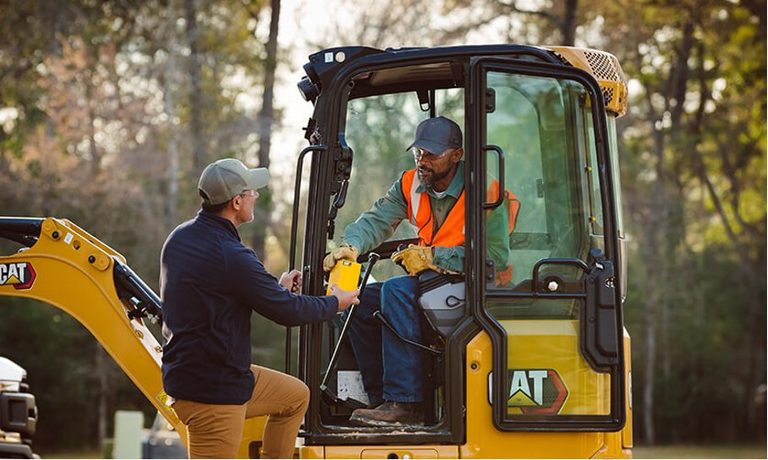
Exploring the Services That Make an Equipment Dealer in Winchester Stand Out
Construction projects depend on reliable machinery, skilled operators, and efficient planning to achieve successful results. Whether contractors are preparing a commercial development, managing road construction, or handling excavation work, having access to dependable equipment can make a significant difference. Choosing the right equipment dealer is about more than purchasing machinery. It involves finding a trusted source for equipment sales, rentals, maintenance, replacement parts, and professional guidance. For contractors and construction businesses in Virginia, working with a Volvo equipment dealer in Winchester can provide access to machinery solutions designed for demanding construction environments. Understanding the services offered by a professional dealership helps businesses make informed decisions, reduce operational interruptions, and maintain productivity throughout their projects. Comprehensive Construction Equipment Sales One of the most important services offered by a professional equipment dealer is access to construction machinery suitable for different applications. Contractors often require specialized equipment for excavation, earthmoving, material handling, and site preparation. A dependable dealership helps customers explore machinery options based on their operational requirements. Excavators, wheel loaders, articulated haulers, and other construction machines serve different purposes, making equipment selection an important business decision. Professional dealers also provide information about machine capabilities, operating requirements, and maintenance considerations. This guidance helps contractors choose equipment that matches their workload rather than investing in machinery that may not suit their projects. For businesses planning long-term operations, purchasing equipment through an established dealership can support greater confidence in equipment selection and ownership. Flexible Equipment Rental Solutions Not every construction project requires permanent equipment ownership. Some contractors need additional machinery for seasonal workloads, specialized assignments, or temporary increases in project demand. Equipment rental services offer a practical alternative by allowing businesses to access machinery without making a substantial purchase commitment. This flexibility is particularly valuable for contractors handling projects with changing equipment requirements. A professional equipment dealer can help customers identify suitable rental machinery based on project duration, jobsite conditions, and expected workloads. Rental services also allow construction companies to expand their operational capabilities when necessary. Instead of purchasing equipment for occasional use, businesses can rent machinery for specific assignments while maintaining control over their equipment budgets. This approach supports operational flexibility and helps contractors respond to changing project demands. Genuine Replacement Parts and Equipment Components Construction equipment operates under demanding conditions, making regular component replacement an essential part of equipment ownership. Hydraulic systems, filters, engine components, and other mechanical parts require attention to maintain dependable performance. Access to appropriate replacement parts is therefore an important service provided by established equipment dealerships. Working with a Volvo equipment dealer in Winchester can help contractors identify compatible components for supported Volvo machinery. Using manufacturer-specified parts supports proper fit, equipment reliability, and maintenance requirements. Professional parts departments can also assist customers in identifying components based on equipment models and service needs. Reliable parts support is especially important when equipment requires urgent attention. Delays in obtaining necessary components can interrupt construction schedules and increase operational expenses. Professional Equipment Maintenance and Repair Services Maintaining the effectiveness of construction equipment requires routine maintenance. Equipment exposed to heavy workloads, dust, uneven terrain, and changing weather conditions requires consistent inspection and servicing. Professional dealerships often provide maintenance and repair services designed to address mechanical issues before they become more serious. Routine maintenance may include fluid inspections, filter replacement, hydraulic system evaluations, and general equipment assessments. These services help contractors identify potential problems and maintain machinery according to recommended service schedules. When equipment develops mechanical difficulties, experienced service technicians can diagnose problems and recommend appropriate repairs. Having access to professional repair support can reduce unnecessary downtime and help construction businesses maintain consistent progress across multiple projects. Equipment Expertise and Customer Guidance An equipment dealership stands out not only through its machinery inventory but also through the knowledge and assistance available to customers. Construction contractors frequently face decisions involving equipment capacity, machine compatibility, operating conditions, and project requirements. Professional guidance can make these decisions easier. An experienced dealer can help customers compare equipment options, understand machine features, and evaluate whether purchasing or renting is more appropriate. This personalized approach is especially beneficial for growing construction businesses that need to expand their equipment capabilities while managing expenses. Clear communication, practical recommendations, and responsive customer service contribute to stronger relationships between equipment dealers and contractors. Supporting Long-Term Equipment Performance Equipment ownership involves responsibilities that continue long after the initial purchase. Contractors must consider maintenance schedules, replacement components, operating costs, and machinery performance throughout the equipment’s working life. A dependable dealership supports these requirements by providing continued access to technical assistance, service resources, and equipment information. For construction professionals, establishing a relationship with a reliable equipment dealer can simplify future purchasing decisions and ongoing maintenance planning. Consistent support also helps businesses manage equipment more effectively while preparing for upcoming construction opportunities. Conclusion Selecting an equipment dealer involves evaluating much more than available machinery. Equipment sales, flexible rentals, replacement parts, maintenance services, and knowledgeable customer assistance all contribute to a dealership’s overall value. Working with a Volvo equipment dealer in Winchester can help construction businesses explore equipment solutions while accessing professional support for their machinery needs. For contractors focused on efficiency, reliability, and long-term productivity, choosing a dealership that offers comprehensive services can make a meaningful difference in everyday operations and future project success. LoganLogan writes this site’s plain-language guides to MP Bhulekh, khasra, khatauni and other Madhya Pradesh land record services. www.mpbhulekhkhasra.com

Preparing Construction Businesses For Bigger Projects With Better Machinery
Exciting prospects are often brought about by the construction industry’s growth, but bigger projects also come with additional obligations, stricter deadlines, and more rigorous operational needs. In order to manage more complicated projects, construction businesses that want to grow must invest in the appropriate resources. Among these resources, dependable construction equipment is essential for preserving output, enhancing effectiveness, and completing projects successfully. Modern technology, such as loaders, excavators, cranes, and specialist earthmoving equipment, enables construction companies to handle larger workloads without sacrificing quality. Companies may find appropriate machinery, enhance operating capacities, and be ready for bigger construction prospects by collaborating with a reliable construction equipment supplier. Recognizing The Equipment Requirements For Bigger Projects Small construction projects usually need simpler designs, less machinery, and fewer workers. Larger projects, however, need substantial excavation, material transportation, structural construction, and ongoing team coordination. Before taking on larger projects, construction companies must assess their current equipment. Large commercial or infrastructural projects may be too demanding for machinery that works well on lesser tasks. Purchasing selections should be influenced by factors such as equipment capacity, operational efficiency, durability, and adaptability. Choosing equipment that satisfies project specifications lowers the risk of equipment overload and helps avoid needless delays. Additionally, careful planning guarantees that companies don’t spend money on devices with little usefulness. Purchasing Equipment To Increase Productivity As construction projects become bigger and more complicated, productivity becomes more crucial. Labor costs, project timelines, and overall profitability may all be impacted by operational delays. The enhanced capabilities of contemporary construction equipment enable workers to do difficult jobs more quickly. Excavators with large capacities can manage lengthy excavation projects, while strong wheel loaders make moving bulky materials easier. Digital monitoring systems, automated controls, and enhanced hydraulic technology are examples of advanced equipment. These characteristics may provide increased operational accuracy and assist companies in tracking the performance of their machines. Construction businesses can handle increased workloads while maintaining constant project quality by investing in productive equipment. Selecting Multipurpose Equipment For expanding construction companies, versatility is a crucial factor. Buying different machinery for each activity might result in higher costs and more maintenance obligations. Multipurpose equipment provides a useful substitute. Depending on their attachments and operational capabilities, compact excavators, skid steer loaders, and backhoe loaders may serve a variety of construction tasks. For instance, a skid steer loader with the right attachments may help with site preparation, excavation, grading, and material handling. Contractors may analyze available gear and choose equipment that supports both present operations and future development goals by working with an expert construction equipment supplier. Using Dependable Equipment To Reduce Downtime During major building projects, unexpected equipment failures may pose significant obstacles. Equipment malfunctions may cause delays for subcontractors, disrupt vital operations, and raise operating costs. These dangers are lessened by dependable equipment, especially when it is accompanied by regular preventative maintenance. Engine inspections, hydraulic system checks, lubrication, filter changes, and regular safety evaluations should all be part of the service plans that construction businesses set up. Equally crucial are competent maintenance assistance and access to replacement parts. Companies that anticipate equipment concerns may react to unforeseen situations more quickly. In the end, maintaining trustworthy equipment gives construction workers more confidence to finish challenging tasks. Controlling Long-Term Expenses And Equipment Investments Careful financial planning is necessary when growing equipment fleets. Purchase prices, fuel consumption, maintenance costs, insurance, and anticipated equipment use are all factors that construction companies need to take into account. Over the course of its working life, the least expensive equipment may not always be the most cost-effective choice. Long-term value may be higher for machines with improved fuel economy, durability, and service assistance. Based on project length and anticipated equipment use, businesses should also evaluate their alternatives for buying, leasing, and renting. A trustworthy construction equipment supplier can help companies comprehend the specs of the equipment, the possibilities for acquiring it, and the long-term ownership issues. Contractors may increase their capabilities without unduly straining operational budgets by making well-informed investment selections. Conclusion It takes more than just expanding the workforce or landing more contracts to be ready for larger construction projects. Companies need to spend money on equipment that promotes operational efficiency, productivity, dependability, and adaptability. Construction organizations may improve their capacity to handle complicated projects by carefully planning investments, maintaining current machinery, and choosing appropriate equipment. In the end, better equipment offers a useful basis for company growth, enhanced project performance, and long-term success in the cutthroat construction sector. LoganLogan writes this site’s plain-language guides to MP Bhulekh, khasra, khatauni and other Madhya Pradesh land record services. www.mpbhulekhkhasra.com

Understanding Compensation For Physical And Emotional Harm After A Dog Bite
A dog bite can result in much more than just an acute injury. Depending on the severity of the attack, a person may face emergency treatment, ongoing medical care, visible scarring, time away from work, and significant emotional distress. Some victims also become uncomfortable around dogs or avoid places and activities they previously enjoyed. When these consequences result from a dog attack, compensation may be available to address different types of losses. Speaking with a dog bite accident lawyer can help an injured person understand which damages may apply to the circumstances of a particular claim and what evidence could be important when documenting those losses. Medical Expenses Following A Dog Bite Medical costs are often one of the most immediate financial concerns after an attack. Even a wound that initially appears manageable can require professional treatment because animal bites can damage tissue and create a risk of infection. Compensation in a dog bite claim may include expenses associated with emergency room visits, physician appointments, medication, wound care, diagnostic testing, and other necessary treatment. More serious injuries may require surgery, specialist care, or reconstructive procedures. Future medical needs can also matter. A person with nerve damage, significant scarring, or reduced mobility may need additional treatment long after the initial wound has healed. The financial cost of the accident can be determined by preserving medical documents, bills, medications, and therapy recommendations. Compensation For Pain And Physical Limitations The effects of an injury cannot always be measured through medical bills alone. Dog bites can be extremely painful, particularly when they involve deep puncture wounds, torn tissue, fractures, or injuries to nerves and tendons. Physical limitations may also interfere with normal activities. For example, a serious injury to the hand could make it difficult to type, drive, prepare meals, or perform work-related duties. An injury to the leg may temporarily affect walking and other everyday movements. Pain and suffering damages are intended to recognize these personal consequences. The seriousness of the injury, duration of recovery, medical treatment required, and impact on everyday activities may all influence how such damages are evaluated. Lost Income And Reduced Ability To Work Recovery from a dog bite can require time away from employment. Hospital visits, medical appointments, surgery, or limited mobility may prevent someone from returning to work immediately. Lost wages may therefore form part of a compensation claim when they can be properly documented. Pay records, employment information, medical restrictions, and evidence of missed working hours can help demonstrate this loss. In particularly severe cases, injuries may affect a person’s ability to perform the same job in the future. Permanent nerve damage or reduced movement, for instance, could create challenges for someone whose occupation depends heavily on physical tasks. These longer-term effects may also need to be considered when assessing financial harm. Emotional Distress After An Attack A dog attack can be frightening, and emotional recovery does not necessarily occur at the same pace as physical healing. Some victims experience anxiety, recurring memories of the incident, sleep difficulties, or increased fear around animals. Children can be particularly affected because an unexpected attack may change how comfortable they feel around pets, parks, or outdoor environments. Adults can experience similar reactions, especially following a violent or unpredictable incident. When emotional distress significantly affects daily life, it may be considered alongside physical injuries in a claim. Records from counselors or other qualified professionals can provide useful documentation when treatment is needed. Scarring And Changes In Appearance Dog bites commonly affect exposed areas such as the hands, arms, legs, and face. Deep wounds may leave permanent scars even after appropriate treatment. Visible scarring can have both physical and emotional consequences. Facial injuries in particular may affect confidence and social interactions. Some victims undergo reconstructive or cosmetic procedures to reduce the appearance of scars, while others may live with permanent changes. Photographs taken throughout recovery can help document how an injury develops over time. Medical evaluations may also provide information about whether additional procedures are recommended. Factors That Can Affect Compensation No two dog bite cases are identical. The potential value of a claim depends on the facts surrounding the attack and the losses suffered by the injured person. Relevant considerations can include the severity of the wounds, cost of treatment, recovery period, lost earnings, permanent impairment, scarring, and emotional impact. Legal responsibility must also be established under the laws that apply where the attack occurred. Dog bite laws can differ between jurisdictions, making the specific circumstances of the incident important. Looking At The Full Impact Of A Dog Bite Compensation after a dog bite is not limited to paying an emergency medical bill. A serious attack can affect someone’s finances, physical comfort, appearance, employment, emotional well-being, and normal routine. Documenting these consequences carefully can provide a clearer picture of the harm caused by the incident. Medical records, photographs, employment documents, treatment expenses, and other relevant evidence can all help demonstrate the extent of the losses. Considering both physical and emotional harm allows a dog bite claim to reflect the broader effect the attack has had on the injured person’s life. LoganLogan writes this site’s plain-language guides to MP Bhulekh, khasra, khatauni and other Madhya Pradesh land record services. www.mpbhulekhkhasra.com

Turning Business Goals Into A Functional And Engaging Website
A company’s website should do more than just give consumers access to the company’s name and contact information. Whether those goals include generating inquiries, selling goods, setting up appointments, educating clients, or establishing credibility, it should support particular business objectives. Before decisions are made regarding layouts, pages, and technical features, careful planning is necessary to achieve this. The most successful websites are designed with a company’s goals and its clients’ needs in mind. A website can become more than just another online presence when these two priorities come together. Start With A Clear Goal Businesses must determine the website’s main purpose before development can begin. While an online retailer might give priority to product discovery and completed purchases, a local service provider might want more calls and quote requests. Demonstrating expertise and promoting consultation bookings may be more important to a professional firm. Nearly all development decisions are influenced by these goals. For instance, a lead generation-focused website requires easily accessible contact information, well-placed calls to action, and clear service information. Simple product categories, practical filters, an easy-to-use cart, and a straightforward checkout procedure are all necessary for an e-commerce website. Additionally, having clear objectives helps avoid adding features that aren’t necessary just because they look good. Recognize The Goals Of Visitors Planning a website involves more than just business goals. The website must make it simple for visitors to accomplish their goals when they arrive. When someone visits a plumbing website, they might want to know right away if emergency services are offered. A visitor to a law firm’s website might be looking for details on a specific legal matter. A person looking at a restaurant’s website might want to make a reservation or view the menu. Determining page structure and navigation is aided by mapping these likely visitor journeys. Businesses can translate consumer expectations and business goals into useful site functionality by working with an experienced website development company. Assign A Specific Role To Each Page Not every page must serve the same purpose. While individual service pages can offer more in-depth information for visitors with particular needs, the homepage may introduce the company and point users towards important areas. Contact pages can lower obstacles to making an inquiry, portfolio pages can showcase prior work, and about pages can establish credibility. Every page on a website should have a purpose rather than just being filled in to make it look comprehensive. This strategy can give the entire website a more concentrated feel. Visitors are less likely to run into irrelevant information or find it difficult to figure out what to do next. Make Communication Seem Easy Animations and visual effects by themselves do not generate engagement. People frequently interact with websites because they are easy to use. Menus ought to be simple to comprehend. Buttons should have a clear description of what they do. Only the information that is required should be requested on forms. Important information shouldn’t be obscured by multiple clicks. Particular consideration should be given to mobile usability. Consumers may find a company while commuting, traveling, or using a phone at home. As a result, interactive features, forms, images, and navigation must all work well on smaller screens. Construct With Performance In Mind Even a visually appealing website may give the wrong impression if features frequently malfunction or pages load slowly. The overall experience is directly impacted by technical performance. Pages should be created with various devices and browsers in mind, images should be appropriately optimized, and superfluous code should be reduced. The website’s ease of maintenance should be taken into account by developers as the business evolves. New services, locations, goods, resources, or features can be added without having to completely rebuild the website thanks to a flexible foundation. Track What Occurs After Launch The development process shouldn’t end with the launch of a website. Opportunities that were challenging to anticipate during planning can be revealed by actual visitor behavior. Companies can look at which pages draw visitors, where they depart, which calls to action elicit responses, and which aspects of the customer journey cause friction. Future advancements can be guided by these observations. Sometimes significant improvements can be achieved without a full redesign by making minor changes to calls to action, forms, page organization, and navigation. Building A Business-Value Website A thorough grasp of business priorities is the first step towards creating a useful and interesting website. Then, rather than being objectives in and of themselves, design and technology become instruments to support those priorities. Businesses can develop websites that actively support their operations by tying business objectives to visitor needs, purposeful pages, intuitive interactions, dependable performance, and continuous improvement. The end product is a digital platform that helps people take significant actions that support long-term business growth in addition to looking professional. LoganLogan writes this site’s plain-language guides to MP Bhulekh, khasra, khatauni and other Madhya Pradesh land record services. www.mpbhulekhkhasra.com

Why Emotional Awareness Is An Important Part Of Mental Wellness
Throughout the day, people feel different emotions, and they often don’t think much about what those emotions are saying. Feelings like annoyance during a discussion, anxiety before a meeting, sadness after a setback, or relief following the completion of a challenging activity may all provide valuable information. The capacity to identify these emotions, comprehend their possible origins, and observe how they affect behavior is known as emotional awareness. A key component of mental wellbeing may be cultivating this awareness. People may learn to comprehend painful feelings and behave in ways that promote their general wellness instead of attempting to eradicate them. Emotions Can Give Important Information Emotions often serve as internal cues. An indication that expectations have not been fulfilled might be frustration. When someone feels unprepared or unsure, anxiety may manifest. After a loss, disappointment, or unwelcome change, sadness may set in. These signs do not always go away if they are ignored. Emotions that are consistently ignored may sometimes affect motivation, focus, communication, and decision-making. Acknowledging one’s emotional state gives one the chance to think about what could need attention. Accurately defining an emotion is the first step in this approach. A person may realize that they are genuinely feeling overwhelmed, lonely, ashamed, or dissatisfied rather than expressing, “I feel bad.” An emotional experience may be simpler to comprehend with more precision. Awareness Paves The Way For Reaction Immediate replies might be encouraged by strong emotions. When someone is criticized, they may get defensive. A person who is frustrated could be harsh with a family member. An apprehensive person may completely ignore a crucial talk. Emotional awareness creates a small but beneficial gap between emotion and action. “I am becoming frustrated” can give you enough time to think of a better response. This behavior may eventually help improve emotional control. The intention is not to repress emotions or act as if they don’t exist. Rather, it entails recognizing feelings and choosing the right way to communicate them. Identifying Individual Emotional Trends Similar emotional reactions may be repeatedly elicited by certain circumstances. One may see that feeling neglected during talks causes annoyance, while unclear expectations at work cause tension. One person could find that daily annoyances become considerably more stressful when they are tired. Emotional experiences might seem less erratic when these patterns are recognized. Individuals might start recognizing the events, ideas, or situations that often impact their mood. When these patterns are challenging to comprehend on one’s own, professional assistance may also provide an alternative viewpoint. For instance, a person choosing mental counseling in Denver could utilize counseling sessions to examine emotional reactions, recurrent triggers, and behaviors connected to certain emotions. Communication Can Be Improved By Emotional Awareness Communicating with others may be facilitated by being aware of your own feelings. People who lack emotional awareness may use blaming, retreat, sarcasm, or silence as ways to communicate their dissatisfaction. Clearer communication might result from being able to recognize the underlying emotion. Someone may recognize that they really feel left out or undervalued rather than responding violently. A talk may be more fruitful if the underlying issue is expressed. Friendships, love connections, family interactions, and work settings may all benefit from this ability. Clear emotional communication may help individuals express their needs without asking others to guess how they are feeling, which can help prevent misunderstandings. Regular Practices Can Boost Emotional Intelligence It is not necessary to analyze every emotion in order to develop emotional awareness. Emotional awareness may become more automatic over time with little practice. Reflecting on the day for a short while might assist in pinpointing instances that resulted in discernible emotional shifts. Recurring patterns that are hard to see at the time may be found via journaling. Because emotions might manifest as tense muscles, restlessness, altered breathing patterns, or exhaustion, it can also be beneficial to pay attention to bodily sensations. People may get more adept at identifying emotions before they become strong as their awareness grows. Increasing Knowledge To Promote Mental Wellness Being happy all the time is not the only aspect of mental wellbeing. Emotional awareness is a healthy method to comprehend difficult emotions, which are a natural part of life. People may make more deliberate decisions about how they react to commonplace situations by analyzing feelings, seeing recurrent patterns, and taking into account how emotions affect behavior. Although it can’t stop every unpleasant scenario, emotional awareness may give you a better understanding of what’s going on within. Stronger coping mechanisms, improved communication, and more balanced emotional wellness may all benefit from this knowledge. LoganLogan writes this site’s plain-language guides to MP Bhulekh, khasra, khatauni and other Madhya Pradesh land record services. www.mpbhulekhkhasra.com

How Resting Time Changes The Texture Of Microwave Baked Potatoes
Cooking with a microwave is often linked with speed. Put food inside, set a cooking time, and when the timer hits zero, you can count on it to be done. But a slightly different strategy works well with potatoes. The few minutes that follow microwaving might be just as crucial as the actual cooking time. Resting allows a potato’s internal moisture and heat to redistribute. A softer core, more uniform texture, and a more pleasurable baked potato may be achieved by letting it rest for a little while rather than chopping into it right away. Microwave preparation may be made much more dependable by understanding this little step. A Potato Keeps Cooking After The Microwave Stops When the microwave radiation ceases, a potato does not instantly turn cool. A significant amount of heat is still retained behind the skin and continues to pass through the potato. Because microwave cooking does not always heat every area of food at precisely the same time, this residual heat is very helpful. It’s possible for one area to become a little more sore than another. Heat from warmer regions progressively migrates toward cooler regions when one is at rest. This implies that after resting for a few minutes, a potato that seems barely cooked when taken out of the microwave may become substantially softer. This process is quickly stopped by cutting it open, which also releases heat that may otherwise contribute to the final texture. Moisture Settles Inside When You Rest Heat is not the only factor that determines texture. The soft interior that consumers anticipate from a baked potato is also greatly influenced by moisture. The potato’s inherent water boils quickly in the microwave, producing steam. A portion of this steam quickly escapes when the potato is opened. time passes, the flesh continues to soften, allowing the potato to stay whole for a little longer and retain more of the warm liquid within. For this reason, instead of having certain parts that are very soft and others that stay somewhat solid, resting might make the inside feel more uniformly delicate. Therefore, for anybody learning how to microwave a potato, resting should be considered a necessary step in the cooking process rather than a choice to postpone eating. Why Cutting Right Away May Impact The Outcome When making a fast lunch or supper, it might be tempting to slice a potato as soon as the microwave whistles. But as soon as you open it, the atmosphere within is altered. In essence, the skin surrounds the body with a temporary barrier that retains heat and steam. The heat that has been stored in the potato swiftly escapes as it is split. There is less leftover heat available to complete the task if the core has not fully softened. Another way to make the potato easier to handle is to wait a little while before chopping. Resting offers a textural benefit as well as a more pleasant serving experience since a recently microwaved potato may produce very hot steam when opened. Resting Cannot Fix An Undercooked Potato Resting has a significant impact, but it shouldn’t be used in place of adequate cooking. More microwave time will usually be required if the center is still noticeably hard. When the potato has achieved or is almost at softness, resting is most effective. Using a fork to check might be beneficial. The thickest area should be easily penetrated by the fork. Before trying it again, put the potato back in the microwave for a brief heating period if it has trouble penetrating the middle. This method is preferable to drastically increasing the initial cooking time, which might result in the exterior parts drying up before the center is cooked. Conclusion A simple method that may significantly enhance microwave-baked potatoes is resting. It helps the center achieve a more uniform softness, permits residual heat to pass through the potato, and provides internal moisture time to redistribute. Consider resting as the last phase of cooking rather than seeing the microwave timer as the ultimate finish. These extra minutes might be the difference between an uneven potato and one with a soft, delicious inside, even though they don’t involve any more work or energy. LoganLogan writes this site’s plain-language guides to MP Bhulekh, khasra, khatauni and other Madhya Pradesh land record services. www.mpbhulekhkhasra.com